
How to Help Someone Having a Panic Attack: What to Do (And Not Do)
TL;DR
When someone you care about is having a panic attack, the most helpful thing you can do is stay calm. Encourage diaphragmatic breathing and use grounding techniques like the 5-4-3-2-1 skill. Most importantly, resist the urge to help them escape the situation. Panic attacks feel like emergencies but aren't, and treating them like one only reinforces the cycle. That means skipping the ER run, limiting reassurance, and avoiding any behavior designed to make the anxiety disappear. The goal isn't to eliminate fear in the moment but to help your loved one learn to tolerate it. This is exactly what panic disorder treatment works toward. What you do as a support person either feeds the cycle or helps break it, so understanding the difference matters more than most people realize.

Experiencing a panic attack is, by definition, terrifying. It can be scary seeing someone else have one, too. Often, people can feel helpless and unsure of what to do when a friend or loved one is having a panic attack. If this is you, I can offer a guide for how to help someone having a panic attack in a way that aligns with what we teach in therapy at Leap Counseling.
The Basics: Panic Cycle
In order to understand the Do’s and Don’ts, you have to know about the panic cycle, which is the process that keeps panic going. A panic attack happens when a normal physical sensation, like a racing heart, is mistaken for something dangerous, setting off a cycle where fear makes the symptoms worse, the worsening symptoms increase fear, and panic quickly builds to its peak within minutes.
When a panic attack happens, people usually react by trying to escape the situation or get help. This can ease their anxiety in the short-term by making them feel safe, but it actually contributes to their anxiety in the long run, because they are teaching themselves that their physical symptoms are dangerous and preventing themselves from finding out what would happen if they did not try to escape.
Therapy for panic disorder and panic attacks is less focused on what to do during a panic attack, and more focused on learning to tolerate physical symptoms of anxiety and resisting urges to avoid them. I would want my clients’ loved ones to understand that the goal is not to take away anxiety or fear but to live life WITH it.
What to Do When Someone is Having a Panic Attack
With all that in mind, below are ways to help during a panic attack:
Stay calm
Panic attacks are not an emergency, so we do not need to treat it like an emergency. Acting as if there is something to be afraid of will only confirm the person’s fear and lead to greater anxiety. Even if you do not feel calm, it’s important to appear calm and unhurried.
Encourage diaphragm breathing
When having a panic attack, people tend to breathe rapidly and shallowly (sometimes called overbreathing or hyperventilation). This results in too much oxygen in the blood and can increase some physical symptoms of anxiety, such as:
Feeling short of breath
Feeling like you’re suffocating
Chest pains/pressure
Dizziness/lightheadedness
Feelings of unreality
The solution is not deep breathing (because that can further increase oxygen levels), but regulated breathing. Instead of breathing using your chest muscles, this involves breathing using your diaphragm muscle, which sits just below your lungs.
To breathe from your diaphragm, place one hand on your chest and the other on your stomach / upper abdomen. Each time you breathe in, breathe so that the hand on your stomach moves, but the hand on your chest does not. Encourage your loved one to practice this type of breathing on a daily basis.
When using diaphragmatic breathing:
Breathe at a normal rate. Do not take deep breaths.
Breathe smoothly; don’t inhale or exhale all at once.
Mindfully focusing on one’s breath can be helpful. It is difficult to do during a panic attack, so it’s helpful to remind your loved one to keep redirecting their focus back to their breath.
When done correctly, this exercise can help your loved one learn to breathe through the anxiety and panic.
Use 5-4-3-2-1 skill
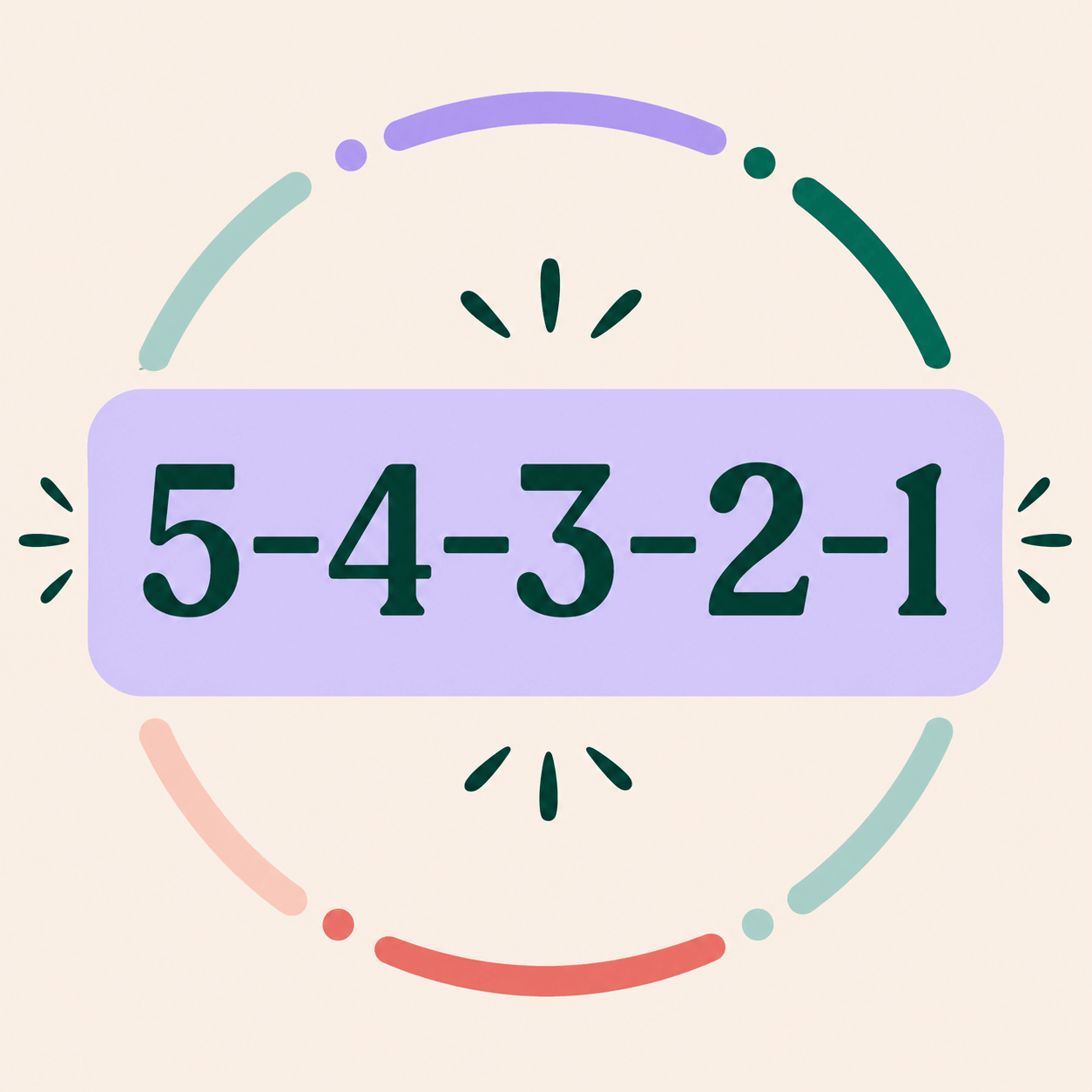
Grounding skills can be helpful to ground in the present moment during a panic attack. Like the breathing skill, grounding skills aren’t going to take away all of the fear, but they can act like an anchor in the storm.
5-4-3-2-1 is a helpful grounding skill during panic. The skill involves mindfully noticing:
5 things you can see
4 things you can feel
3 things you can hear
2 things you can smell
1 thing you can taste
When helping your loved one through the skill, don’t let them rush through it. It is meant to be done slowly and mindfully.
For example, when noticing the first thing they can see, have them notice everything about it. What is its shape? How would they describe its color? What are the details on it that they wouldn’t notice if they weren’t looking closely? Only then should they move on to the next thing they can see.
Encourage them to stay in the situation
It’s most helpful to stop the cycle of panic by resisting avoidance. This means resisting the urge to try and escape from the situation they’re in. Ask your loved one if they are willing to try to wait it out rather than leave, and remind them they are capable of handling it even if they have a panic attack. It’s important that it is their choice whether or not they challenge themselves; Don’t force it.
If further along in treatment:
Ask them to try to have a panic attack if they feel one starting. If you try to prevent yourself from having a panic attack, it will paradoxically make it more likely to happen. If you lean into the anxiety and even try to bring the panic attack on, this stops the struggle with anxiety and can minimize the intensity or duration of panic.
Instead of “I have to make this stop”,
Help them lean in, with: “Try to make your heart beat faster” or “Notice what feels uncomfortable and make space for it”
What NOT to Do When Someone is Having a Panic Attack
Here are some of the most important things to avoid when someone you care about is having a panic attack:
Don’t freak out
If you act like something is wrong, this will only increase their anxiety and panic. Don’t freak out; remember that panic attacks are not inherently dangerous, and they will end.
Do NOT take them to the ER
People with panic attacks often fear they are having a medical emergency, but that is not the case. Going to the emergency room feeds the panic cycle by affirming that they are in danger and need medical attention.
Along with refusing to take them to the ER, you can refuse to participate in any other safety behaviors with them or for them. Safety behaviors are any behaviors your loved one does that are meant to decrease their anxiety or feel safer. Safety behaviors are just another form of avoidance.
Remember that you shouldn’t try to control their behavior, but you can choose not to help them engage in unhelpful behaviors.
Don’t ridicule them or diminish their fear
Panic attacks are rough. Your loved one deserves to be treated with kindness, patience, and understanding. Even if you refuse to help them do something ineffective, it’s important to still do so with kindness and support.
Don’t give them too much reassurance
As a panic disorder therapist, I find that early on in treatment, some reassurance can be helpful. You can remind your loved one that anxiety is not dangerous or that they are probably not having a heart attack. However, don’t promise them anything you don’t know for sure, and don’t repeat the reassurance over and over again. Instead, give them reassurance once, then try some of the “do’s” above.

If further along in treatment:
Don’t provide any reassurance. They should know by now that panic is not dangerous, and they should be working on sitting with the anxiety. Continuing to provide reassurance every time will be a safety behavior that fuels the panic in the long run.
Don’t try to get rid of their anxiety. Don’t engage in anything that is meant to reduce or get rid of their anxiety. There are strategies that can be helpful for strong emotions in other contexts, but they should not do them. This keeps the struggle with anxiety going.
Is Someone You Love Struggling With Panic? Therapy For Panic Disorder in Wauwatosa, WI, Can Help Them
The most meaningful thing you can do to support a loved one through a panic attack is encourage them to get panic disorder treatment that fully addresses the problem. Panic disorder is highly treatable, and with the right help, your loved one can learn to face anxiety rather than fight it, so that panic stops controlling their life and yours.
Leap Counseling and Consultation is a Wisconsin-based solo therapy practice led by Dr. Johanna Wood, who specializes in OCD and anxiety disorders, including panic disorder. Dr. Wood provides personalized, evidence-based CBT treatment that goes beyond managing panic attacks in the moment, helping clients understand the panic cycle, build tolerance for uncomfortable physical sensations, and stop relying on avoidance and safety behaviors to get through the day. Taking that first step toward lasting relief is simpler than it might feel right now:
Reach out to schedule a free 15-minute consultation to talk through what you or your loved one has been experiencing
Work one-on-one with an experienced panic disorder therapist in Wauwatosa, WI
Begin breaking the panic cycle for good with compassionate, targeted support every step of the way
Other Ways Johanna Wood Helps Clients in Wauwatosa, Wisconsin, and All PSYPACT States
Helping a loved one through a panic attack is meaningful. However, professional treatment is what actually breaks the cycle for good. With the right therapeutic support, people with panic disorder learn to stop relying on avoidance and safety behaviors and start building genuine confidence in their ability to handle anxiety, which makes life better for everyone around them too.
Panic disorder is one of many anxiety-related conditions I treat at my online therapy practice in Wisconsin. Because anxiety tends to show up in more than one form, there may be other concerns worth addressing alongside panic, and treatment can account for all of them. I work with a broad range of conditions, including OCD, Agoraphobia, Generalized Anxiety Disorder, Social Anxiety Disorder, and Phobias.
As a licensed psychologist in Wisconsin and all PSYPACT states, I provide specialized online care to clients across many locations. Whether it's your loved one who needs support or you're realizing this blog hits a little close to home, help is available. Visit my mental health blog for more on panic disorder and anxiety treatment, and reach out whenever you or someone you care about is ready to take that next step.
About the Author
Dr. Johanna Wood is a Wisconsin-based clinical psychologist specializing in anxiety disorders, including panic disorder. She completed her doctoral internship at Rogers Behavioral Health in the OCD and Anxiety Adult Residential Program, one of the most intensive anxiety treatment settings in the country. She later went on to supervise clinical staff at a similar program there. She earned her PhD in Clinical Psychology from Northern Illinois University and is an active member of the International OCD Foundation, contributing to national education efforts on scrupulosity OCD.
Dr. Wood also brings something to this work that clinical training alone can't provide. Having personally navigated the anxiety spiral of relationship OCD, she understands what it's like to be on the inside of an overactive fear response. That experience gives her a uniquely empathetic perspective when working with both clients in treatment and the support people trying to help them. Her own exposure therapy journey taught her that moving toward anxiety, not away from it, is where lasting relief begins. Exposures are a "leap of faith" she now helps clients and their loved ones understand and embrace. That combination of firsthand insight and deep clinical expertise shapes the warm, practical approach she brings to panic disorder treatment at her Wisconsin-based online practice.
