Folks with panic disorder can have many other comorbid (AKA, having two disorders at the same time) mental disorders. The prevalence of panic disorder in people with agoraphobia is estimated between 21.4% and 42.7% (Roest et al., 2019 and Barzegar et al., 2021, respectively), and the lifetime prevalence of agoraphobia in people with panic disorder is approximately 18.2% (Roest et al., 2019).
The two disorders are similar enough that they used to be combined into one disorder: panic disorder with or without agoraphobia. However, we learned that some people have all the characteristics of agoraphobia without meeting the criteria for panic disorder, so they were separated in the most recent edition of the DSM-5.
What is Agoraphobia?

Agoraphobia is an anxiety disorder characterized by fear of being in places or situations that would be difficult to escape from or to get help if needed. Examples of these situations are:
Public transportation
Planes
Parking lots
Bridges
Movie theatres or plays
Large lecture halls
Standing in line
Crowds
Being outside of home alone
The primary fear is of having panic attacks in those situations and not being able to escape or get medical help, or it could be of experiencing other symptoms that would be embarrassing or incapacitating, like fainting, falling, or being incontinent.
People with agoraphobia often tend to avoid these situations or, if they encounter them, they are very anxious or distressed.
Can Panic Disorder Lead To Agoraphobia?
The short answer is, yes. Agoraphobia can start after the onset of a different anxiety disorder, including panic disorder. There isn’t much research using the updated diagnostic criteria on which disorder is more likely to come first. However, older studies have shown that panic disorder is much more likely to start before agoraphobia than the other way around (Wittchen et al., 2008). That being said, agoraphobia can come first, and it can stand on its own, without also having panic disorder.
Conceptually, it makes sense. When people develop panic disorder, they start to fear situations in which they’ve had a panic attack. Over time, they may be more likely to avoid more and more situations in which they would be unable to escape or get help, which is part of the definition of agoraphobia.
Here’s one way this can go down:
Have an unexpected panic attack, during which you’re afraid you’re having a heart attack
Become afraid of anxiety symptoms (because you think they’re a heart attack), have more panic attacks, and become preoccupied with having another panic attack (AKA, develop panic disorder)
Start avoiding situations in which panic attacks have occurred, to try to prevent yourself from having a panic attack
Because of the fear that panic attacks are medically dangerous, avoid situations in which you wouldn’t be able to get help quickly, in case you have a panic attack
Examples: being in the middle pew or row of seats at church, in lecture hall, at a meeting, at the movie theatre
Being in those situations at all starts to elicit anxiety (agoraphobia develops)
Start avoiding more and more situations, until you’re afraid of even leaving your home alone
Avoidance Worsens the Agoraphobia & Panic
In my blog about panic disorder and the panic cycle, I talked about how avoiding the symptoms of anxiety makes them feel worse. The same thing is true for agoraphobia. The more you avoid, your life starts getting smaller and smaller. As it gets smaller, more and more things start to become scary.
Clinical anxiety is like a fog rolling in. When you cede ground to the fog, it starts taking up that space, until only your home feels safe. Even then, the fog is all around the outside of your home, pressing in.
Safety Behaviors
Sometimes people don’t entirely avoid a situation, but they might do things to make themselves feel more safe when in the situation. For agoraphobia, that can look like:
Sitting close to an exit
Keeping certain items with you (called safety signals), like:
Water
Anxiety PRN medication
Snack
Phone
Checking heart rate
Taking along a safe person
Treatment for Agoraphobia and Panic Disorder
Remember that “fog” I talked about? The good news is, if you let yourself go into the fog, it starts to back away. With every step you take, the fog is there at first, but as you move around, you disturb the fog and it dissipates. You really have to work for it, to start looking out for the fog and going into out as you continue to clear it away from all the places it took away from you.
There is freedom in conquering that fog.
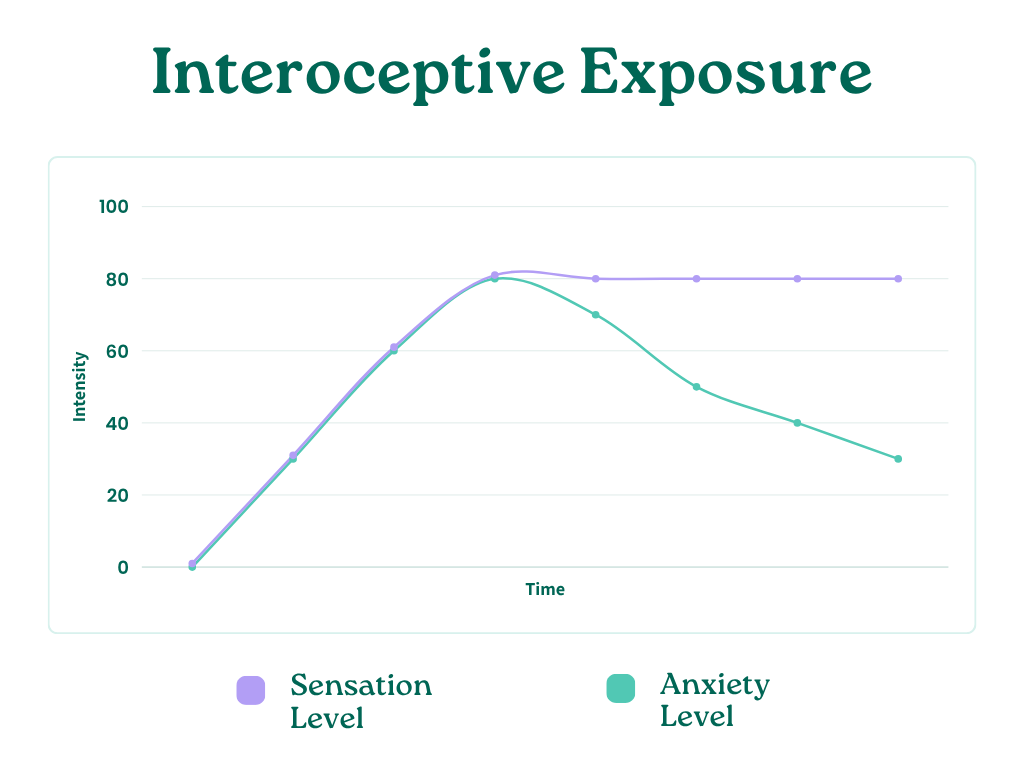
This is what exposure therapy is like, and it’s an effective treatment for panic disorder and agoraphobia. In exposure therapy, we intentionally seek out our triggers and face them, without safety behaviors. Over time, anxiety decreases and we learn we can handle any sensation are body throws at us.
Keep Learning
Explore blogs on similar topics: